It's all about ...
plants


Mont Tremblant Black Spruce
Picea mariana 'Mont Tremblant'

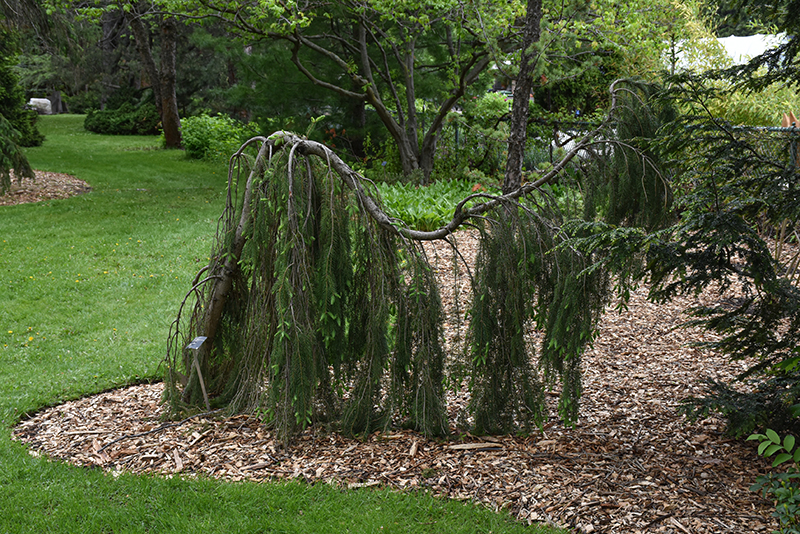
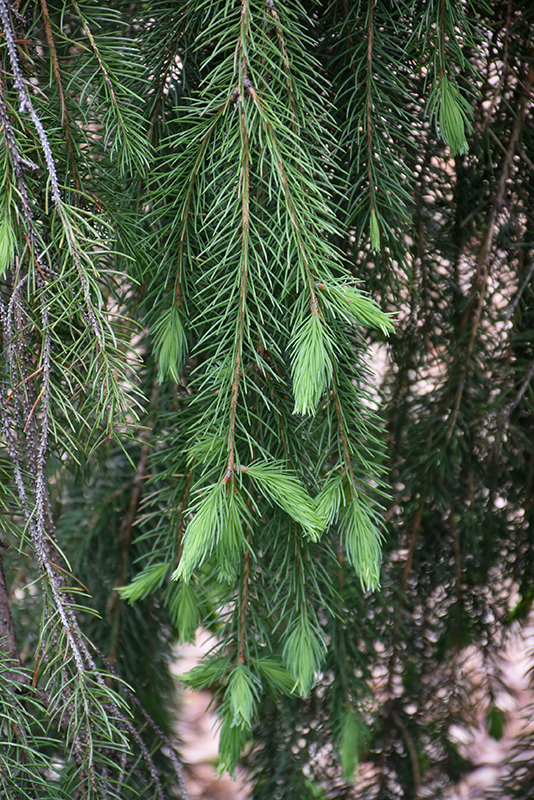
Height: 15 feet
Spread: 10 feet
Sunlight:


Hardiness Zone: 3a
Description:
An artistic, densely-packed and compact selection with short, gray-green needles and upturned branchlets that curve and twist, making it ideal as a focal point in a garden composition; well suited to boggy areas and peat
Ornamental Features
Mont Tremblant Black Spruce is a dwarf conifer which is primarily valued in the landscape for its highly ornamental weeping form. It has attractive grayish green evergreen foliage which emerges light green in spring. The small needles are highly ornamental and remain grayish green throughout the winter.
Landscape Attributes
Mont Tremblant Black Spruce is a dense multi-stemmed evergreen shrub with a rounded form and gracefully weeping branches. It lends an extremely fine and delicate texture to the landscape composition which can make it a great accent feature on this basis alone.
This is a relatively low maintenance shrub. When pruning is necessary, it is recommended to only trim back the new growth of the current season, other than to remove any dieback. It has no significant negative characteristics.
Mont Tremblant Black Spruce is recommended for the following landscape applications;
- Accent
- Vertical Accent
- General Garden Use
- Bog Gardens
Planting & Growing
Mont Tremblant Black Spruce will grow to be about 15 feet tall at maturity, with a spread of 10 feet. It tends to fill out right to the ground and therefore doesn't necessarily require facer plants in front, and is suitable for planting under power lines. It grows at a slow rate, and under ideal conditions can be expected to live for 50 years or more.
This shrub does best in full sun to partial shade. It is quite adaptable, prefering to grow in average to wet conditions, and will even tolerate some standing water. It is not particular as to soil type or pH. It is quite intolerant of urban pollution, therefore inner city or urban streetside plantings are best avoided, and will benefit from being planted in a relatively sheltered location. Consider applying a thick mulch around the root zone in winter to protect it in exposed locations or colder microclimates. This is a selection of a native North American species.


