It's all about ...
plants


Mercedes Fernleaf Beech
Fagus sylvatica 'Mercedes'

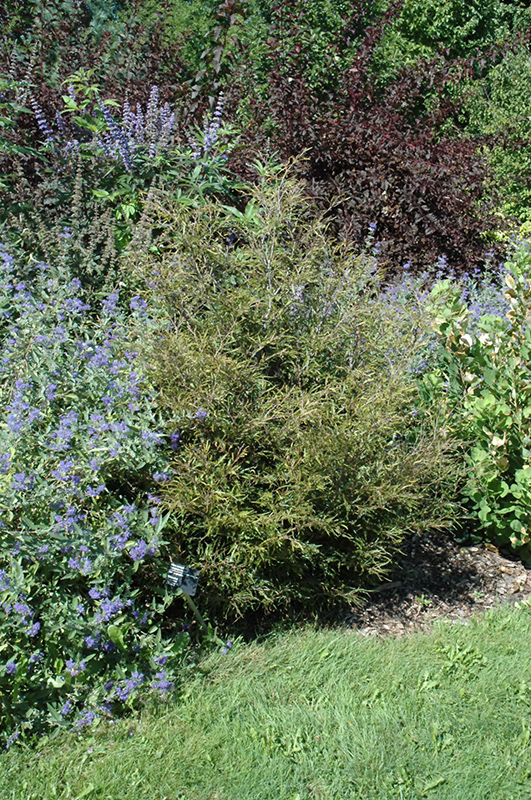
Height: 12 feet
Spread: 6 feet
Sunlight:

Hardiness Zone: 6a
Other Names: Common Beech, European Beech
Description:
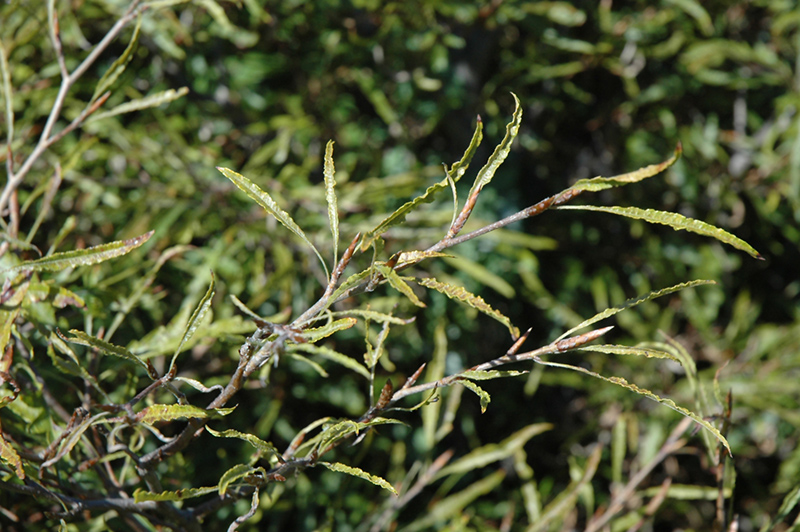
A very slow growing small tree with long, willowy green leaves, on a bushy habit of thin branches; lovely golden tones in fall; ideal for small garden spaces; quite particular about growing conditions, requires rich soil and significant moisture
Ornamental Features
Mercedes Fernleaf Beech is primarily valued in the landscape or garden for its decidedly oval form. It has attractive green deciduous foliage. The serrated ferny leaves are highly ornamental and turn an outstanding gold in the fall. The smooth silver bark adds an interesting dimension to the landscape.
Landscape Attributes
Mercedes Fernleaf Beech is a dense multi-stemmed deciduous shrub with a shapely oval form. It lends an extremely fine and delicate texture to the landscape composition which can make it a great accent feature on this basis alone.
This is a relatively low maintenance shrub, and is best pruned in late winter once the threat of extreme cold has passed. Deer don't particularly care for this plant and will usually leave it alone in favor of tastier treats. It has no significant negative characteristics.
Mercedes Fernleaf Beech is recommended for the following landscape applications;
- Accent
- Mass Planting
- Hedges/Screening
Planting & Growing
Mercedes Fernleaf Beech will grow to be about 12 feet tall at maturity, with a spread of 6 feet. It has a low canopy, and is suitable for planting under power lines. It grows at a slow rate, and under ideal conditions can be expected to live to a ripe old age of 100 years or more; think of this as a heritage shrub for future generations!
This shrub should only be grown in full sunlight. It does best in average to evenly moist conditions, but will not tolerate standing water. This plant does not require much in the way of fertilizing once established. It is not particular as to soil type or pH. It is somewhat tolerant of urban pollution, and will benefit from being planted in a relatively sheltered location. This is a selected variety of a species not originally from North America.
This plant is not reliably hardy in our region, and certain restrictions may apply; contact the store for more information.


