It's all about ...
plants


Halka Honeylocust
Gleditsia triacanthos 'Halka'

Height: 40 feet
Spread: 35 feet
Sunlight:


Hardiness Zone: 4a
Description:
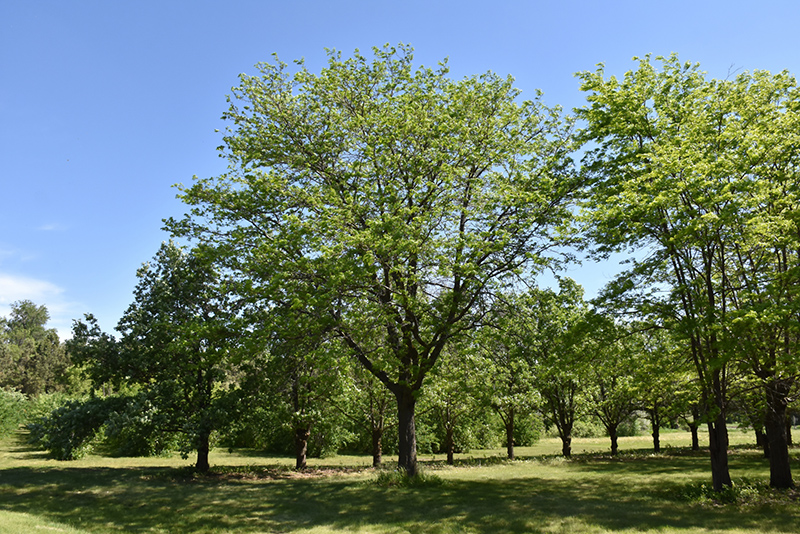
A very popular shade tree, valued for its delicate, ferny appearance which casts a dappled shade below; foliage emerges a bright green, fading to yellow in the fall; broad spreading habit of growth, seedless, very tolerant of adverse growing conditions
Ornamental Features
Halka Honeylocust has attractive green deciduous foliage on a tree with an upright spreading habit of growth. The pinnately compound leaves are highly ornamental and turn an outstanding yellow in the fall.
Landscape Attributes
Halka Honeylocust is an open deciduous tree with an upright spreading habit of growth. It lends an extremely fine and delicate texture to the landscape composition which can make it a great accent feature on this basis alone.
This is a relatively low maintenance tree, and is best pruned in late winter once the threat of extreme cold has passed. Deer don't particularly care for this plant and will usually leave it alone in favor of tastier treats. It has no significant negative characteristics.
Halka Honeylocust is recommended for the following landscape applications;
- Accent
- Shade
Planting & Growing
Halka Honeylocust will grow to be about 40 feet tall at maturity, with a spread of 35 feet. It has a high canopy with a typical clearance of 7 feet from the ground, and should not be planted underneath power lines. As it matures, the lower branches of this tree can be strategically removed to create a high enough canopy to support unobstructed human traffic underneath. It grows at a fast rate, and under ideal conditions can be expected to live for 70 years or more.
This tree does best in full sun to partial shade. It is very adaptable to both dry and moist locations, and should do just fine under average home landscape conditions. This plant will benefit from an application of bonemeal and/or mycorrhizal fertilizer at the time of planting. It is not particular as to soil type or pH, and is able to handle environmental salt. It is highly tolerant of urban pollution and will even thrive in inner city environments. This is a selection of a native North American species.
This plant is not reliably hardy in our region, and certain restrictions may apply; contact the store for more information.


