It's all about ...
plants


Plant Height: 6 inches
Flower Height: 14 inches
Spacing: 18 inches
Sunlight:


Hardiness Zone: (annual)
Other Names: Creeping Sage
Description:
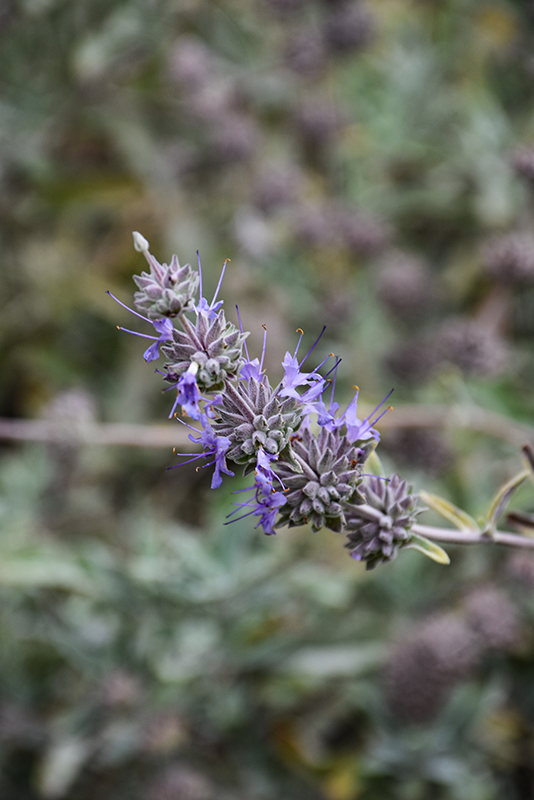
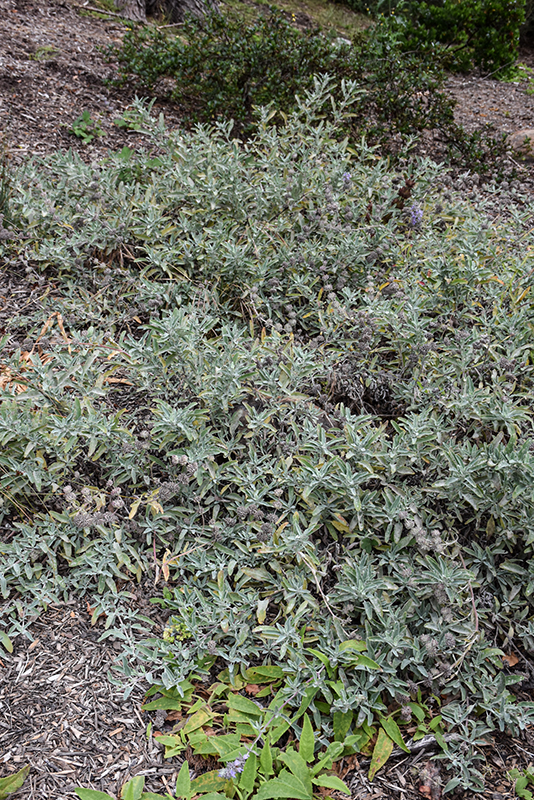
This variety is a flat, spreading groundcover salvia that will creep about the landscape with trailing stems of gray-green foliage; blue-violet flowers on leafless stems in spring to summer; best when massed in the landscape as an attractive groundcover
Ornamental Features
Sonoma Sage has masses of beautiful spikes of violet flowers with blue overtones rising above the foliage from early spring to mid summer, which are most effective when planted in groupings. Its attractive tomentose narrow leaves remain grayish green in colour with curious white undersides and tinges of silver throughout the season.
Landscape Attributes
Sonoma Sage is a dense herbaceous annual with a ground-hugging habit of growth. Its relatively fine texture sets it apart from other garden plants with less refined foliage.
This plant will require occasional maintenance and upkeep, and is best cleaned up in early spring before it resumes active growth for the season. It is a good choice for attracting bees, butterflies and hummingbirds to your yard, but is not particularly attractive to deer who tend to leave it alone in favor of tastier treats. It has no significant negative characteristics.
Sonoma Sage is recommended for the following landscape applications;
- Mass Planting
- Rock/Alpine Gardens
- General Garden Use
- Groundcover
- Naturalizing And Woodland Gardens
- Container Planting
Planting & Growing
Sonoma Sage will grow to be only 6 inches tall at maturity extending to 14 inches tall with the flowers, with a spread of 5 feet. When grown in masses or used as a bedding plant, individual plants should be spaced approximately 18 inches apart. Its foliage tends to remain low and dense right to the ground. Although it's not a true annual, this fast-growing plant can be expected to behave as an annual in our climate if left outdoors over the winter, usually needing replacement the following year. As such, gardeners should take into consideration that it will perform differently than it would in its native habitat.
This plant does best in full sun to partial shade. You may want to keep it away from hot, dry locations that receive direct afternoon sun or which get reflected sunlight, such as against the south side of a white wall. It prefers dry to average moisture levels with very well-drained soil, and will often die in standing water. It is considered to be drought-tolerant, and thus makes an ideal choice for a low-water garden or xeriscape application. This plant does not require much in the way of fertilizing once established. It is not particular as to soil type or pH. It is somewhat tolerant of urban pollution. Consider covering it with a thick layer of mulch in winter to protect it in exposed locations or colder microclimates. This species is native to parts of North America.
Sonoma Sage is a fine choice for the garden, but it is also a good selection for planting in outdoor pots and containers. Because of its spreading habit of growth, it is ideally suited for use as a 'spiller' in the 'spiller-thriller-filler' container combination; plant it near the edges where it can spill gracefully over the pot. Note that when growing plants in outdoor containers and baskets, they may require more frequent waterings than they would in the yard or garden.