It's all about ...
plants


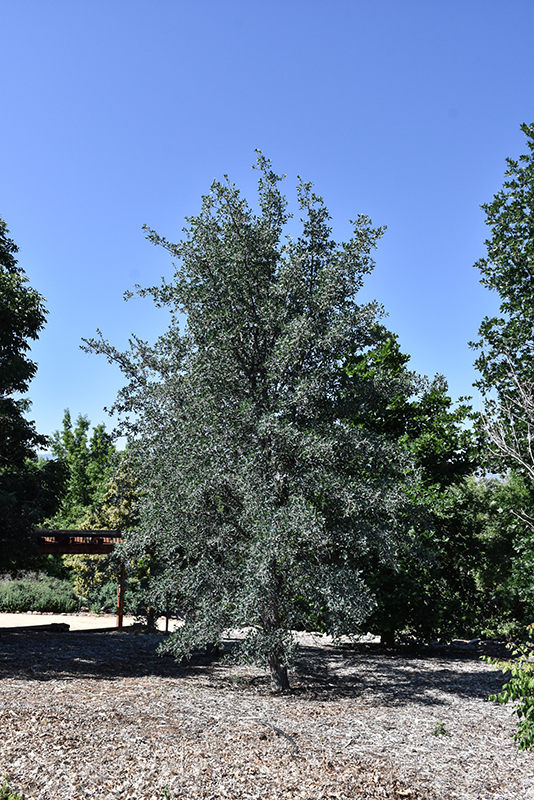
Height: 40 feet
Spread: 60 feet
Sunlight:

Hardiness Zone: 8a
Description:
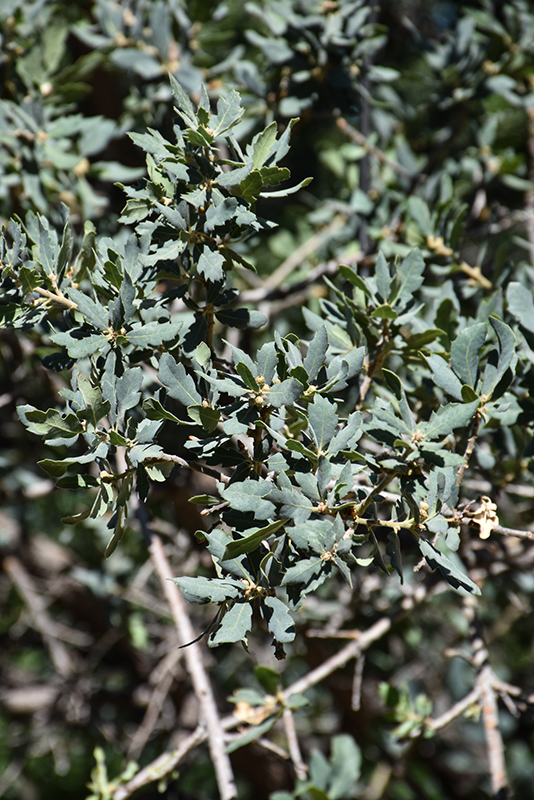
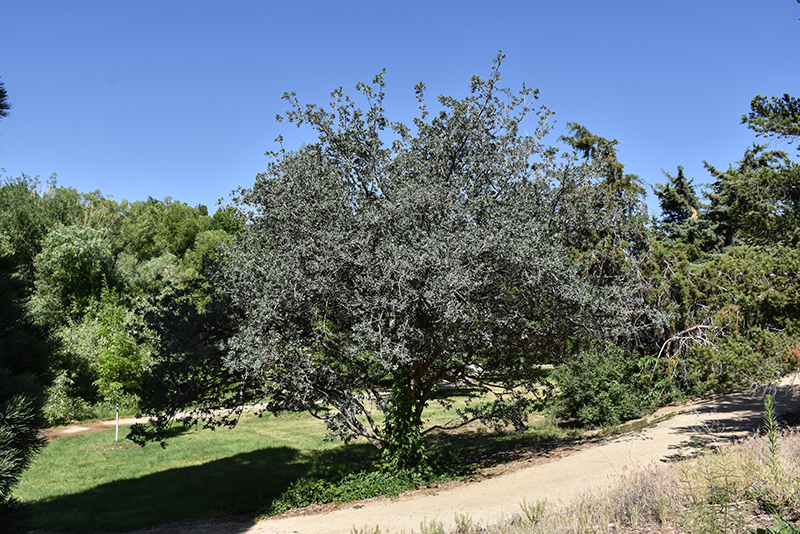
A medium-sized shade tree with a short trunk and a broad rounded habit; sturdy, crooked branches present oval, shallowly lobed, bluish-green leaves; best in large landscapes; a California native that is slow growing, and is fall and drought deciduous
Ornamental Features
Blue Oak has attractive grayish green foliage with hints of silvery blue on a tree with an upright spreading habit of growth. The small serrated oval leaves are highly ornamental and turn outstanding shades of pink, yellow and orange in the fall. It produces light green acorns from late summer to mid fall, which fade to brown over time. The fruit can be messy if allowed to drop on the lawn or walkways, and may require occasional clean-up. The furrowed gray bark adds an interesting dimension to the landscape.
Landscape Attributes
Blue Oak is a dense deciduous tree with an upright spreading habit of growth. Its relatively fine texture sets it apart from other landscape plants with less refined foliage.
This tree will require occasional maintenance and upkeep, and is best pruned in late winter once the threat of extreme cold has passed. It is a good choice for attracting birds and squirrels to your yard. Gardeners should be aware of the following characteristic(s) that may warrant special consideration;
- Messy
Blue Oak is recommended for the following landscape applications;
- Shade
- Windbreaks and Shelterbelts
Planting & Growing
Blue Oak will grow to be about 40 feet tall at maturity, with a spread of 60 feet. It has a low canopy with a typical clearance of 2 feet from the ground, and should not be planted underneath power lines. It grows at a slow rate, and under ideal conditions can be expected to live to a ripe old age of 500 years or more; think of this as a heritage tree for future generations!
This tree should only be grown in full sunlight. It is very adaptable to both dry and moist growing conditions, but will not tolerate any standing water. It is considered to be drought-tolerant, and thus makes an ideal choice for xeriscaping or the moisture-conserving landscape. This plant does not require much in the way of fertilizing once established. It is not particular as to soil pH, but grows best in poor soils, and is able to handle environmental salt. It is highly tolerant of urban pollution and will even thrive in inner city environments. This species is native to parts of North America.
This plant is not reliably hardy in our region, and certain restrictions may apply; contact the store for more information.


