It's all about ...
plants


Sierra Lodgepole Pine
Pinus contorta var. murrayana


Height: 80 feet
Spread: 25 feet
Sunlight:

Hardiness Zone: 3a
Other Names: Murrayana Lodgepole Pine
Description:
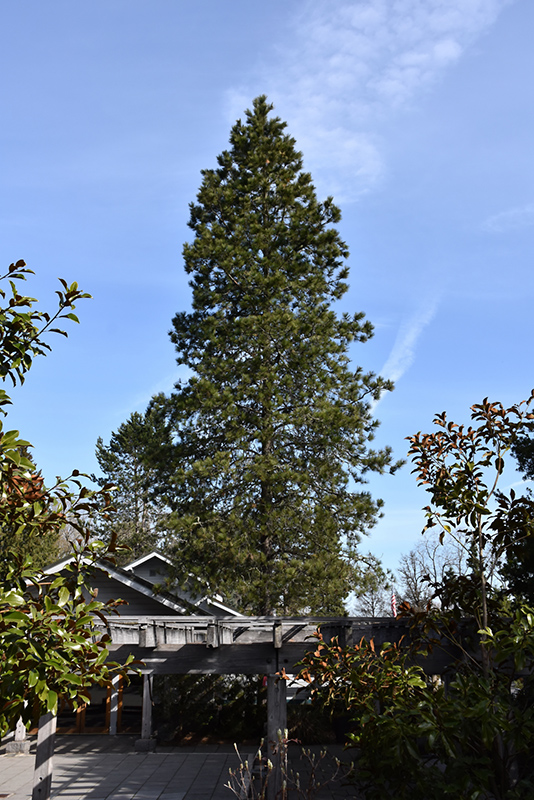
A tall and straight, narrow evergreen of the Cascade Mountains, that is very slow growing; this is not the coastal variety, it is more cold tolerant , less heat tolerant and doesn't like salt spray; a beautiful, long lived addition to large landscapes
Ornamental Features
Sierra Lodgepole Pine is primarily valued in the landscape for its distinctively pyramidal habit of growth. It has attractive forest green foliage with hints of buttery yellow. The twisted needles are highly ornamental and remain forest green throughout the winter. The brick red fruits with orange overtones are held in cones from late summer to early winter. The fruit can be messy if allowed to drop on the lawn or walkways, and may require occasional clean-up. The shaggy dark gray bark and khaki (brownish-green) branches add an interesting dimension to the landscape.
Landscape Attributes
Sierra Lodgepole Pine is an open evergreen tree with a strong central leader and a distinctive and refined pyramidal form. Its average texture blends into the landscape, but can be balanced by one or two finer or coarser trees or shrubs for an effective composition.
This is a relatively low maintenance tree. When pruning is necessary, it is recommended to only trim back the new growth of the current season, other than to remove any dieback. It has no significant negative characteristics.
Sierra Lodgepole Pine is recommended for the following landscape applications;
- Accent
- Shade
- Vertical Accent
- Windbreaks and Shelterbelts
Planting & Growing
Sierra Lodgepole Pine will grow to be about 80 feet tall at maturity, with a spread of 25 feet. It has a high canopy of foliage that sits well above the ground, and should not be planted underneath power lines. As it matures, the lower branches of this tree can be strategically removed to create a high enough canopy to support unobstructed human traffic underneath. It grows at a slow rate, and under ideal conditions can be expected to live to a ripe old age of 300 years or more; think of this as a heritage tree for future generations!
This tree should only be grown in full sunlight. It prefers dry to average moisture levels with very well-drained soil, and will often die in standing water. It is considered to be drought-tolerant, and thus makes an ideal choice for xeriscaping or the moisture-conserving landscape. This plant does not require much in the way of fertilizing once established. It is not particular as to soil type or pH. It is highly tolerant of urban pollution and will even thrive in inner city environments. This species is native to parts of North America.


