

Plant Search

Claim Jumper Katsura Tree
Cercidiphyllum japonicum 'Claim Jumper'

Height: 30 feet
Spread: 15 feet
Sunlight:

Hardiness Zone: 5a
Description:
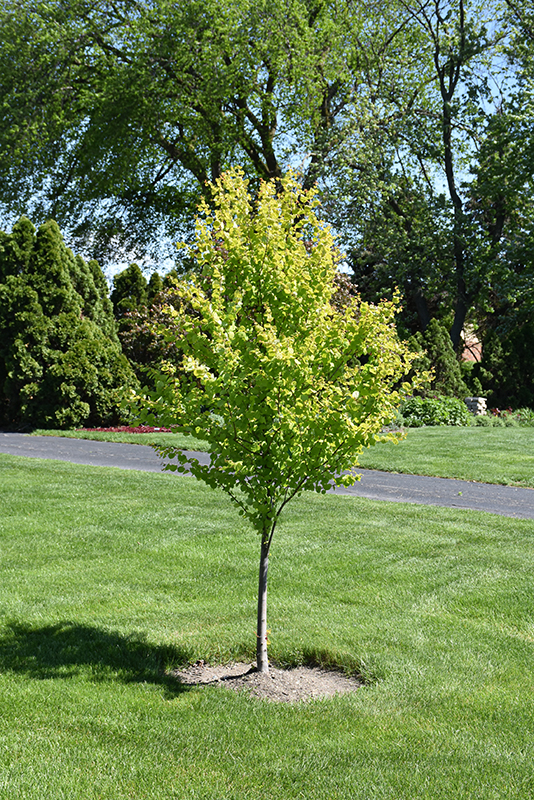
A refined, attractive tree with a tight pyramid shape; a special cultivar that presents golden foliage; a good color choice for home landscapes; fallen leaves emit a delicious caramel fragrance in autumn
Ornamental Features
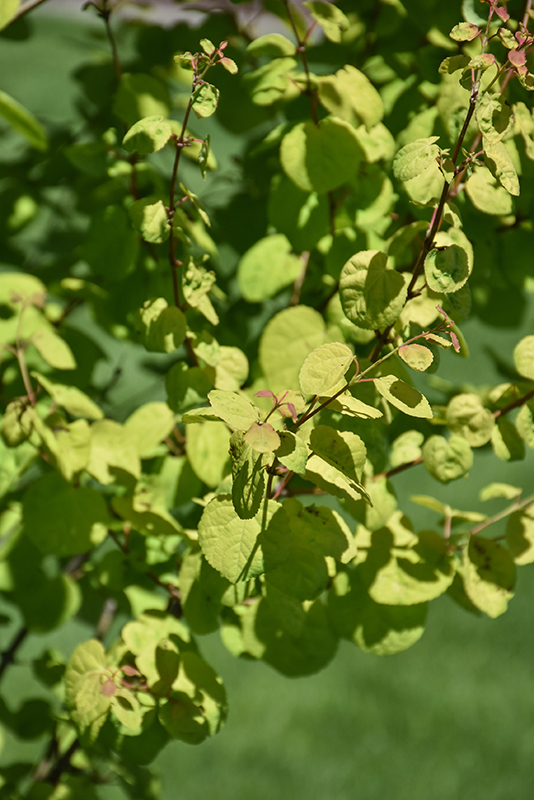
Claim Jumper Katsura Tree is primarily valued in the landscape for its ornamental upright and spreading habit of growth. It has attractive yellow-variegated gold foliage with hints of lime green which emerges burgundy in spring. The heart-shaped leaves are highly ornamental and turn an outstanding orange in the fall. The shaggy brown bark adds an interesting dimension to the landscape.
Landscape Attributes
Claim Jumper Katsura Tree is a dense deciduous tree with an upright spreading habit of growth. Its relatively fine texture sets it apart from other landscape plants with less refined foliage.
This is a relatively low maintenance tree, and is best pruned in late winter once the threat of extreme cold has passed. It has no significant negative characteristics.
Claim Jumper Katsura Tree is recommended for the following landscape applications;
- Accent
- Shade
Planting & Growing
Claim Jumper Katsura Tree will grow to be about 30 feet tall at maturity, with a spread of 15 feet. It has a low canopy with a typical clearance of 3 feet from the ground, and should not be planted underneath power lines. It grows at a medium rate, and under ideal conditions can be expected to live for 60 years or more.
This tree should only be grown in full sunlight. It prefers to grow in average to moist conditions, and shouldn't be allowed to dry out. This plant should not require much in the way of fertilizing once established, although it may appreciate a shot of general-purpose fertilizer from time to time early in the growing season. It is not particular as to soil pH, but grows best in rich soils. It is somewhat tolerant of urban pollution, and will benefit from being planted in a relatively sheltered location. This is a selected variety of a species not originally from North America.