

Plant Height: 24 inches
Flower Height: 3 feet
Spread: 24 inches
Sunlight:


Other Names: Moon Stones, Hens And Chicks
Description:
This drought tolerant variety produces rosettes of chubby, teardrop shaped, gray-blue foliage; leaves will flush rosy-purple when stressed; red flowers on tall stems in spring; ideal for indoor containers in bright areas
Features & Attributes
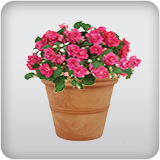
Sticky Moonstones is primarily valued in the home for its distinctive form, with the flower stalks towering over the foliage. It features unusual bracted rose tubular flowers with red overtones rising above the foliage from early to mid spring. Its attractive succulent oval leaves emerge lime green, turning silvery blue in color with showy plum purple variegation and tinges of gray throughout the year. The lime green stems can be quite attractive and add to the plant's interest.
This is a dense herbaceous evergreen houseplant with tall flower stalks held atop a low mound of foliage. Its relatively fine texture sets it apart from other indoor plants with less refined foliage. This plant should not require much pruning, except when necessary to keep it looking its best.
Planting & Growing
When grown indoors, Sticky Moonstones can be expected to grow to be about 24 inches tall at maturity extending to 3 feet tall with the flowers, with a spread of 24 inches. It grows at a medium rate, and under ideal conditions can be expected to live for approximately 20 years. This houseplant will do well in a location that gets either direct or indirect sunlight, although it will usually require a more brightly-lit environment than what artificial indoor lighting alone can provide. It prefers dry to average moisture levels with very well-drained soil, and may die if left in standing water for any length of time. This plant should be watered when the surface of the soil gets dry, and will need watering approximately once each week. Be aware that your particular watering schedule may vary depending on its location in the room, the pot size, plant size and other conditions; if in doubt, ask one of our experts in the store for advice. Like most succulents and cacti, it prefers to grow in poor soils and should therefore never be fertilized. It is not particular as to soil pH, but grows best in sandy soil. Contact the store for specific recommendations on pre-mixed potting soil for this plant.
There are many factors that will affect the ultimate height, spread and overall performance of a plant when grown indoors; among them, the size of the pot it's growing in, the amount of light it receives, watering frequency, the pruning regimen and repotting schedule. Use the information described here as a guideline only; individual performance can and will vary. Please contact the store to speak with one of our experts if you are interested in further details concerning recommendations on pot size, watering, pruning, repotting, etc.
-- THIS IS A HOUSEPLANT AND IS NOT MEANT TO SURVIVE THE WINTER OUTDOORS IN OUR CLIMATE --